

path of wholesomeness : ค้นหาหนังสือธรรมะ หน้า 5 / 31
หน้าหนังสือทั้งหมด

174
A Definite Victory on the Path to Dhamma
174
THE TRUE
REFUGE
VIIIXI
A Definite Victory
The absolute goal of attaining
Dhamma is not easy. Although
the middle path is direct, it is
immeasurably long. But, however
long it may be, we will fight
Attaining Dhamma is a challenging journey, requiring determination and perseverance on the middle path. As we continuously make merits, we combat the darkness within us, striving for perfection of the
15
The Easiest Path to Happiness
Chapter 4
The Easiest Path to Happiness
F
ortunately for us, the easiest and fastest path
to true happiness is, not far from us at all. But
before we explore this path to true happiness, we
need to un
Chapter 4 discusses the nature of true happiness and emphasizes that it is more than just temporary pleasures or escapes from suffering. Many seek happiness through various means, but true happiness i
11
10 Pearls of Inner Wisdom
10
Pearls of Inner Wisdom
1.Our Goal
The most important thing,
wherever you are,
is not to neglect
your meditation practice.
Don't let
your purpose in life²
slip away.
We made the decision
to follow t
This text emphasizes the importance of maintaining a regular meditation practice as a path to achieving enlightenment. It encourages individuals not to let their purpose in life slip away and to medit

96
The Impact of Dhamma Quiz Competitions on Youth
Even though each Quiz Competition may last only one day, young participants will still have to spend quite some time studying Dhamma before hand. They in turn absorb Dhamma into their mind without kno
Even though each Quiz Competition may last only one day, young participants will still have to spend quite some time studying Dhamma beforehand. This process positively impacts their thoughts, speech,
103
Human Security and Dignity: Ethics Quiz Contest Presentation
"Human Security and Dignity: Fulfilling the Promise of the United Nations" conference in New York, USA, the Ethics Quiz Contest was selected to present under the title, “The Psychological Aspect of Pe
At the conference on Human Security and Dignity in New York, the Ethics Quiz Contest highlighted the psychological aspect of peace. It received positive feedback from international representatives, em
194
Negative Effects of Misinterpreted News on Understanding Buddhism
Negative circumstances resulting from carelessly reading negative news
If parents do not teach their children to thoroughly analyze the truth in articles about monks, the children may thoughtlessly b
Neglecting to teach children how to analyze negative news about monks leads to misconceptions and misunderstandings about Buddhism and the law of Kamma. When children generalize that all monks are mor
82
Types of Meditation
78 MEDITATION
TYPES OF MEDITATION
Buddhist texts, such as the Visuddhimagga¹, describe forty different methods of practice. All of them have the same goal: to train the mind to be still and to attain
Buddhist texts, like the Visuddhimagga, outline 40 meditation methods with the same goal of mastering the mind to achieve Buddhahood. Meditation can be categorized into three types: positioning the mi
118
Guided Meditation Through Visualization
114 GUIDED MEDITATION
Visualizing a Meditation Object
The Great Master gave us a good technique for visualization: to imagine a crystal clear sphere that is totally flawless, as clear as a polished d
This guided meditation technique involves visualizing a flawless crystal sphere or any familiar object, such as fruit or jewels, to achieve mental clarity and peace. The method, taught by the Great Ma
112
Meetings with a Dharmar Master
Meetings with a Dharmar Master
[With this, he smiles because many of the people in the room are past 50. And they are groaning at the thought that they are passed the meditation stage.]
If we can er
In a meeting with a Dharmar Master, the conversation revolves around the path to enlightenment and overcoming defilements. The Master emphasizes that eradicating defilements is essential for reaching
119
Exploring the Unknown Factor and the Eightfold Noble Path
Suzanne Jeffrey
"The students you are teaching now will be the politicians when you retire. If you do not teach them properly, then who is to blame? We are!! We are to blame because we are probably n
The content emphasizes the responsibility of educators to guide students, as they will shape the future. It discusses various perceptions of the Unknown Factor, including Nibbana, God, and Supreme Kno
125
Understanding Kamma and the Importance of Intentional Action
Suzanne Jeffrey
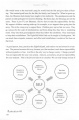
"Kamma, then, applies to body, speech, and thought: action with intention. And the actions that we perform throughout our lifetimes reflect negatively or positively on the people arou
Suzanne Jeffrey discusses the significance of Kamma as it relates to body, speech, and thought, emphasizing intentional action's effect on relationships with family, teachers, and spiritual leaders. T
127
The Impact of Dhamma on Children's Mindfulness
Suzanne Jeffrey
fish would come to the road and Luang Pu would feed the fish and give them a blessing. That created good boon for the fish, the family, and Luang Por. When he grew up, then, the Dhamm
This text discusses how early Dhamma teachings and the support of family can influence a child's mindfulness and ethical behavior. It reflects on the challenges of modern society where distractions li
129
The Formation of Habits and Teaching Morality
Suzanne Jeffrey
which will lead to destructive thoughts and eventually into darkness. So, as we can see,
different habits lead to different lives. All of our habits come from our early training.
“Ho
This text discusses how habits develop from early training and repeated actions, and emphasizes that both good and bad habits influence our lives. It highlights the need for teachers to first correct
133
The Importance of True Friendship and Self-Reflection
for who we are: Not in the mirror, but inside of our mind. If we focus on the external,
then defilements cloud our mind. We will develop false friendships and these are people
around you who have not
In our lives, we encounter both true and false friends. False friends can lead us down destructive paths due to their selfishness, insincerity, and lack of principles. They can contribute to societal

157
Understanding Dhamma and the Eightfold Noble Path
Sucone Jeffray
life, and depend on ourselves. They usually live for a really, really, really long time (like hundreds of thousands of years) until they deplete their good kamma.
Dhamma – (Sanskrit:
The text discusses the concepts of Dhamma, meditation, and the Eightfold Noble Path as essential elements leading to true understanding and happiness. It emphasizes that true nature and enlightenment
15
Understanding the Role of Precepts in Buddhist Ordination
There are 227 precepts, which include rules, regulations, and traditions that serve as guidelines for those who are ordained. The precepts are tools that help define the differences between right and
The 227 precepts provide rules and guidelines for the ordained, defining right and wrong to help individuals strengthen their determination amidst life's challenges. They ensure that knowledge gained
26
The Resilient Journey of Dabbamallaputta and Rathapala
Dabbamallaputta escaped death twice. First when his mother suddenly passed away; under normal circumstances this would have meant death for the unborn child. However, he did not die. Second, when he e
Dabbamallaputta's life began with extraordinary survival, escaping death at birth and rising in the monastic community of Wat Jetavana due to his immense knowledge. Similarly, Rathapala, of noble birt

16
Dissemination of Buddhism and the Noble Eightfold Path
Part 2
The Theory
What does it mean to disseminate Buddhism ?
Dissemination of Buddhism
↓
The Lord Buddha’s Teachings
↓
Reside in the Mind of Every Individual
↓
Practice Them until They Become habits
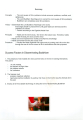
The dissemination of Buddhism involves instilling the Lord Buddha’s teachings into the minds of individuals so they can practice these teachings as habits. Central to this process is the Noble Eightfo
28
Understanding the Root Causes of Life's Problems through Buddhism
Summary
Concepts - The root causes of life's problems include economic problems, conflicts, and defilements
- The Lord Buddha's Teachings aim to correct the root causes of life's problems
- Buddhism c
This text discusses the root causes of life's problems, including economic issues, conflicts, and mental defilements, proposing that the Teachings of the Lord Buddha offer comprehensive solutions. By
53
Embracing Meditation for Perfection
56. TO SUCCESSFULLY
PURSUE PERFECTIONS,
ONE NEED TO EMBRACE MEDITATION
We were born to pursue virtues. Strive to perform good deeds. If you wish to successfully pursue Perfections, you need to “attac
In the pursuit of Perfections, one must focus on mental development rather than attachment to people. Meditation serves as a vital practice to overcome false views and achieve personal merit. As exper